
I’m very interested in what it means for us to cultivate together a community that allows for risk, the risk of knowing someone outside of your own boundaries, the risk that is love. There is no love that does not involve risk.—bell hooks
Since 2023, about 180 passionate and engaged people from the nonprofit, government, and philanthropic sectors have participated in Seed’s Targeted Universalism Communities of Practice (TU COP), developed in partnership with the Othering & Belonging Institute at UC Berkeley. From big cities and small towns across the country, participants have represented about 25 states, with a few devoted Canadians. The practice has also extended to TU incubators for coalition, nonprofit, and foundation teams around healthcare, early childhood, and education.
Sharing wisdom, curiosity, and commitment, the TU COP participants have represented a breadth of areas of engagement, including public health, early childhood, environmental justice, farming, housing, food security, youth development, mental health, community banking, DEI, restorative justice, judiciary, college enrollment, and higher education—all interested in cultural, structural, and systemic transformation and belonging without othering.
What is a Community of Practice?
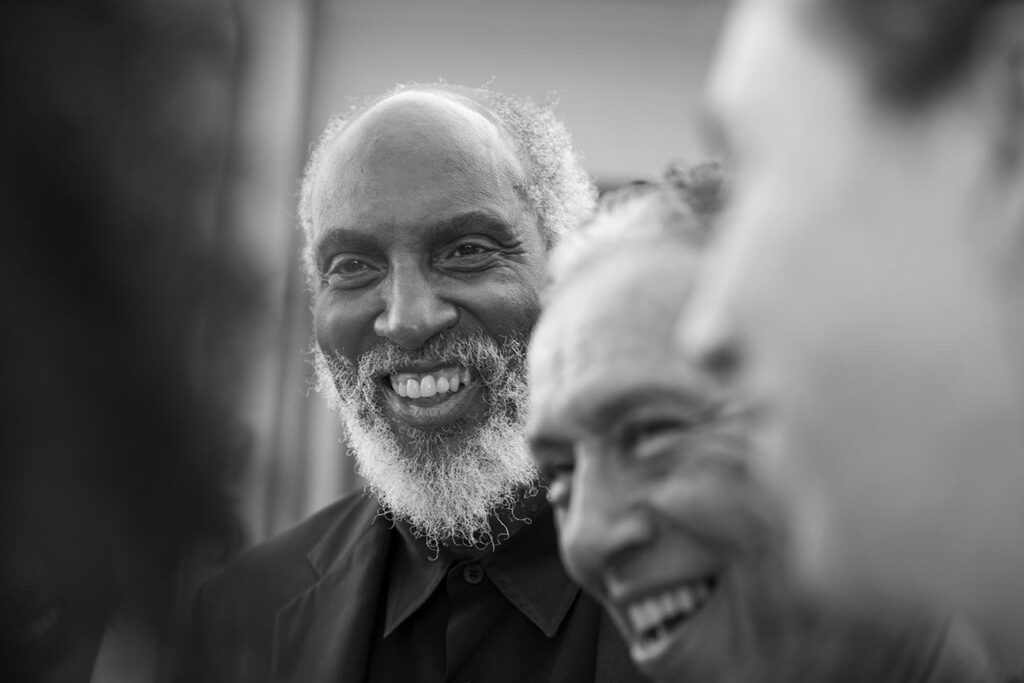
“This experience will impact your work in unforeseen ways, by providing support, by creating space for dialogue, by bringing together folks who may never have been in the same space talking about these same topics before or after this COP experience.”—Yalda Shahram, UCSF Medical Center
A COP is a group of people who share a common concern, a set of problems, or an interest in a topic and who come together to engage in experiential learning, sharing, and engaging in deep inquiry with each other. The TU COP focuses on sharing best practices, case studies, group work and exercises, and the creation of new knowledge to advance a domain of professional or personal practice. It’s an opportunity to learn together, build relationships with others, and grapple with the challenges and opportunities around implementation of TU.
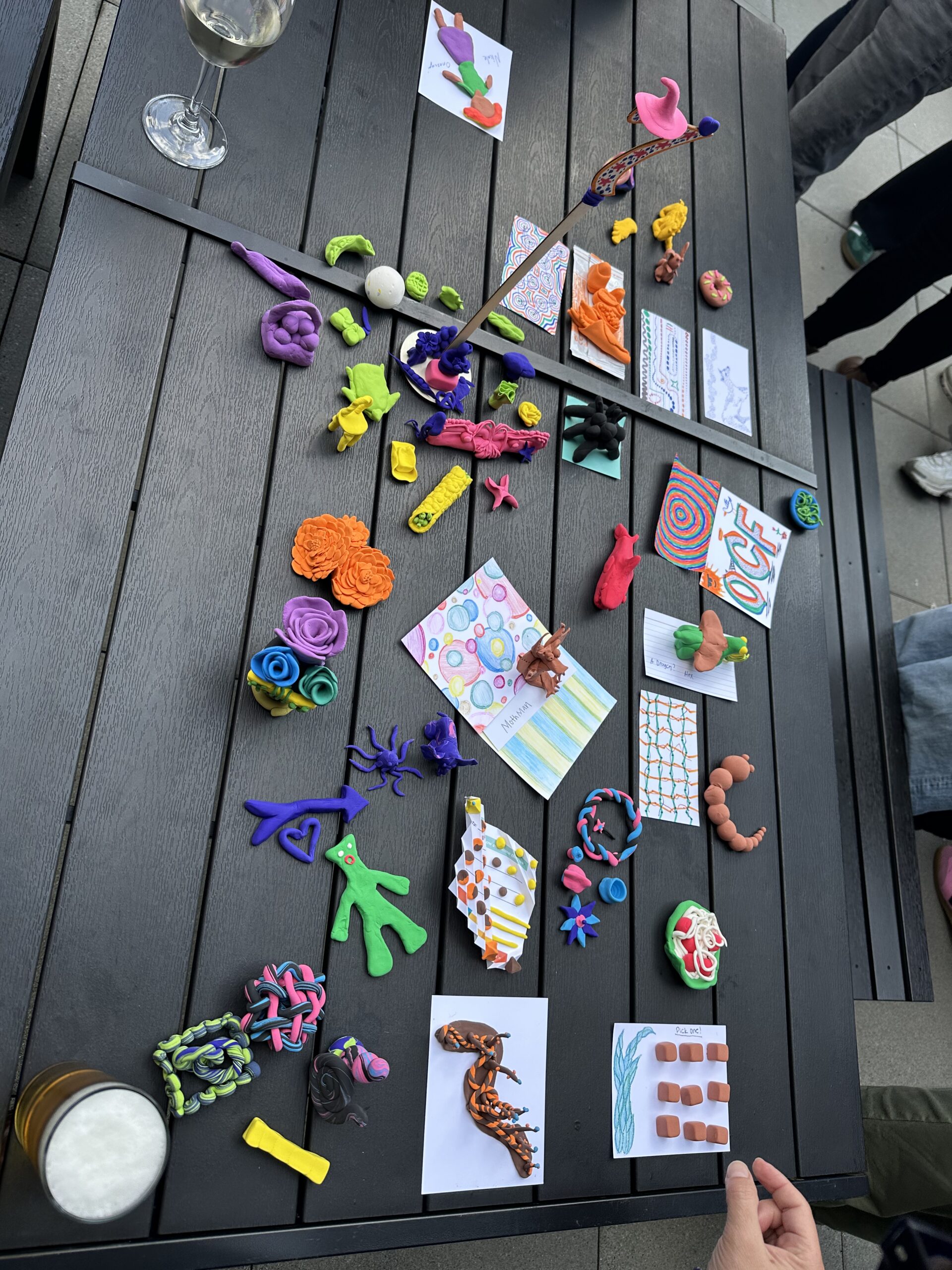
Seed’s TU COP has had three years of peak moments, “mic drop” moments, problem solving, case studies, and breakdowns and breakthroughs. From data and co-creation to universal goals and targeted strategies–it’s the circle of community coming together virtually, bringing expertise and their whole selves, for seven months that makes the magic.
The Seed team is honored to facilitate and hold the container. The TU COP involves a process of continuous learning, with each class contributing to the co-creation and co-design of the learning experience.
What are the TU COP design principles?
Co-Creation is a key element of belonging, Targeted Universalism, and the TU COP. Learning in Community. The facilitators guide the group through the curriculum in an interactive way and with the group’s participation. Together we grapple with and share questions and answers, we value diverse work and lived experiences, and collaborate to address the challenges and application opportunities of TU.
Building Relationships. Throughout our time together, we build connections, trust and shared context, thus paving the way for a fertile learning and problem-solving environment.
Cross-Pollinating and Bridging. As a group of cross-sector, cross-issue, and uniquely situated people, the TU COP provides opportunities for people to interact and bridge with each other.
Sharing Resources. We share curated resources, homework, worksheets, and shared group work. “Bring your own problem statement, goal or affirmative, aspirational outcome.” COP members will be surveyed on their hopes/aspirations and have access to exchange tools, techniques, approaches, resources, and best and next practices.
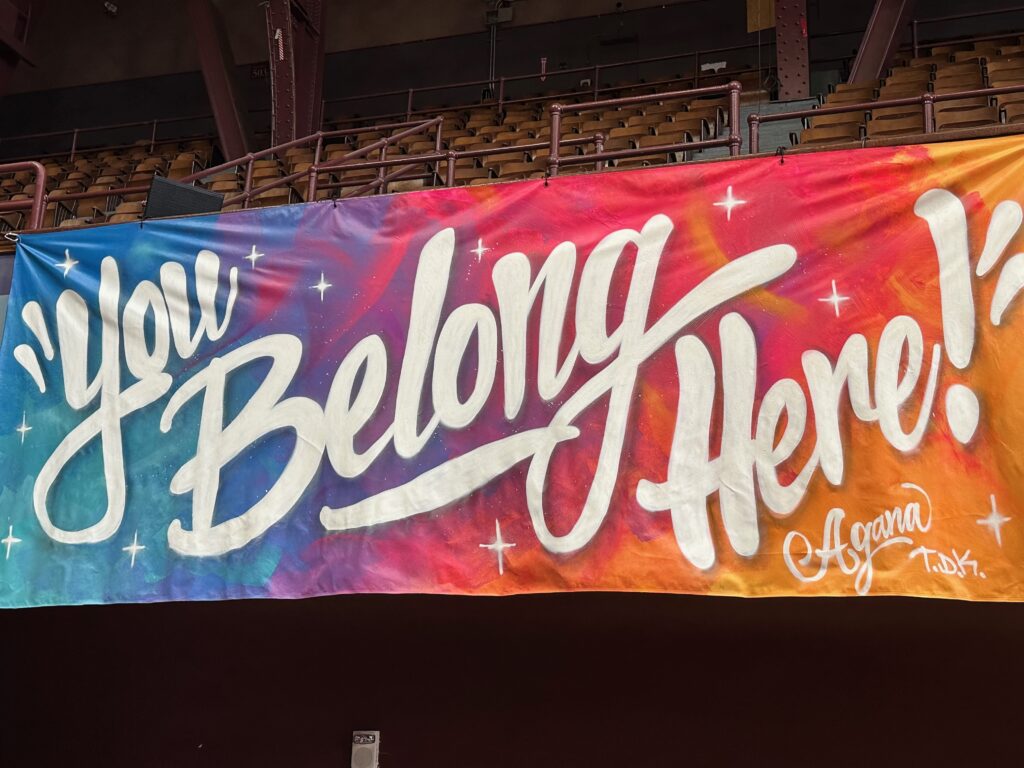
Building a sense of Belonging. Through co-creation, collective ideation, and bridging, we can create a space where everyone belongs, participates, and is cared for, valued and heard. We engage in healthy dialogue, explore disagreement, and inquiry, remembering that conflict is just two ideas sharing the same space, not two people with oppositional existences.
For more information, feel free to check out our Programs page or email us directly on our Contact Us page. We love questions, and we love talking about justice, belonging, and care.
This experience will impact your work in unforeseen ways, by providing support, by creating space for dialogue, by bringing together folks who may never have been in the same space talking about these same topics before or after this COP experience.
Yalda Shahram, UCSF Medical Center